In-play odds
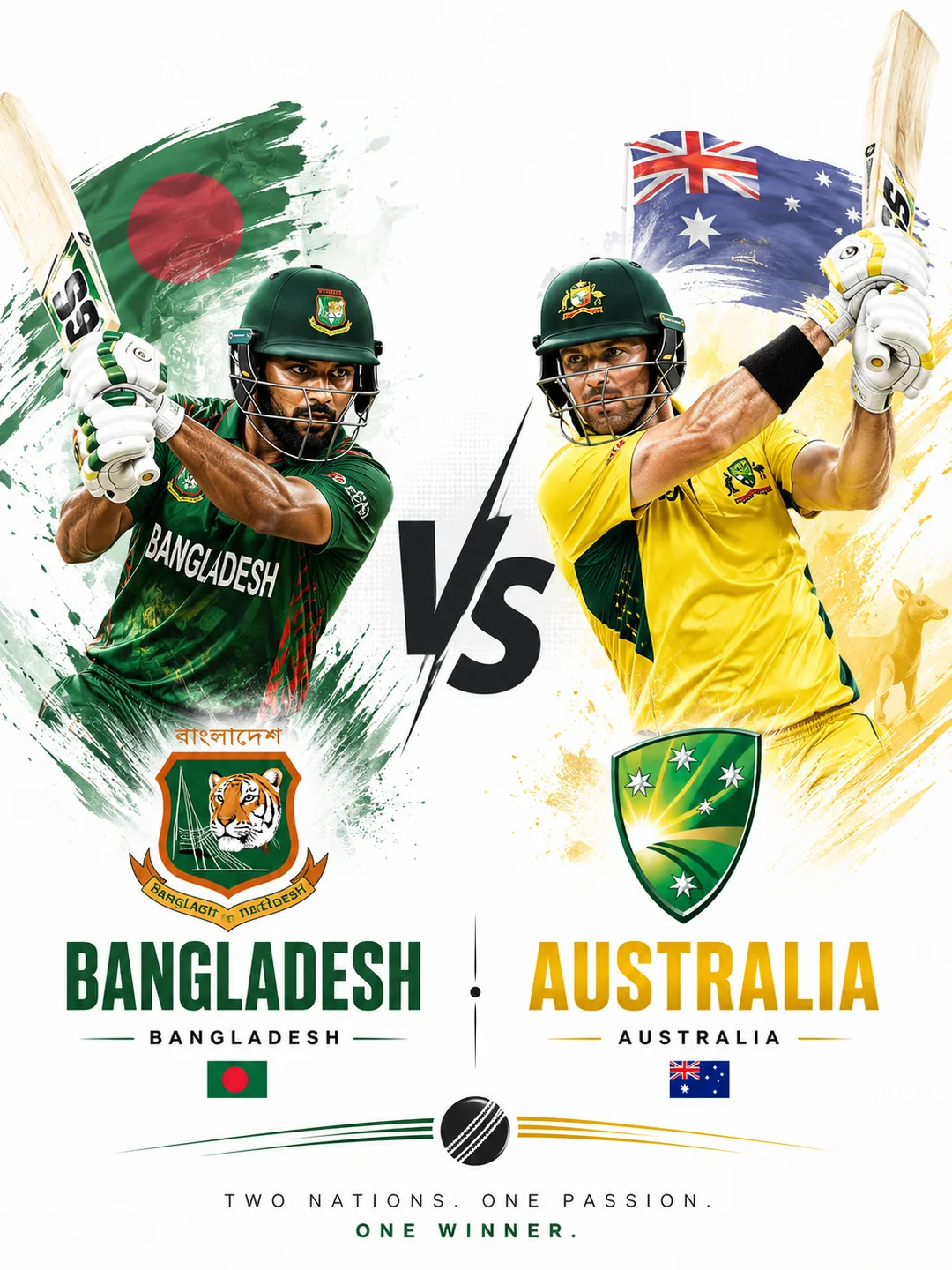
Live Match Odds: How In-Play Prices Move
Live match odds, also called in-play odds, are prices that update during a game rather than staying fixed before the start. They are the heartbeat of live cricket, moving on almost every ball. This guide explains how they work, what makes them move, the common in-play markets, and how to read and time them, with the payment and safety notes worth knowing first. CK44 Live is an independent information hub, not an operator, and the numbers here are examples only.
What makes live odds different?
Pre-match odds are set before the toss and stay fixed until play begins. Live odds keep changing throughout the match to reflect what is actually happening on the field. For a fast format like T20, that means prices can look completely different over the space of a single over. The same applies in the BPL and IPL, where a chase can flip in two deliveries. If you want the bigger picture first, the live cricket guide explains the formats and core markets.
The in-play cycle: windows and suspensions
In-play betting runs in short cycles. Between deliveries there is a brief window where a price is available, then the moment something happens, a wicket, a boundary, a review, the operator suspends the market so the price can catch up. Once the new game state is clear, the market reopens, often at a noticeably different number. Understanding this rhythm explains why a price you saw a second ago may have moved or vanished, and why patience beats rushing.
What moves live match odds?
Each market is a question with a price, and the price answers it based on the current game state. The examples below show how a price tends to behave, not real numbers.
- A wicket falls: The batting side usually drifts (longer price) while the bowling side shortens, because a new batter has to settle in.
- A big over: Two or three boundaries in an over can swing a chase quickly, shortening the batting side mid-over.
- A run of dot balls: Pressure builds when runs dry up, so a chasing side can drift even without losing a wicket.
- Rain or a break: In-play markets often suspend during stoppages, then reopen with revised prices once conditions are clear.
- Final overs of a chase: Prices become most volatile here, moving on almost every ball as the required run rate rises or falls.
Every figure on this page is an illustration of how a market behaves, not a live price and not a tip.
Common in-play markets
Beyond the match winner, live cricket offers several short, fast-refreshing markets that suit in-play.
- Live match winner: The headline in-play price on each side to win, refreshed continuously as the game state changes.
- Next over runs: How many runs come in the next over, a short market that resets six balls at a time.
- Fall of next wicket: How many runs are added before the next wicket, popular for reading partnerships.
- Runs in the session or block: A line on runs across a set group of overs, refreshed as the block plays out.
These same markets appear in the BPL and IPL, where the fast T20 pace makes them swing hardest.
How to read and time in-play
The most useful habit with live odds is to read the move, not just the number. A shortening price tells you the market thinks an outcome is getting more likely; a drifting price says the opposite. Watching how a price reacts to a wicket or a big over often tells you more than the figure itself. The second habit is timing: you do not have to bet every ball, and the steadiest approach is to skip far more than you back. Fast markets reward discipline, not speed, and the examples here only illustrate movement, they never predict a real price.
Funding and withdrawals, in short
For Bangladesh players the usual routes are bKash and Nagad, sometimes Rocket, Upay or USDT. The rule that catches people out is name matching: your wallet name and account name must be identical or a withdrawal can fail. Withdrawals commonly land in a 2 to 24 hour window depending on review. Full steps are on the payments guide.
Play responsibly
In-play betting moves fast, which is exactly when discipline matters. Decide your budget before the match, never chase a loss into the next over, and stop when it stops being enjoyable. The speed of live markets is the main reason people overspend, so a limit set in advance protects you far better than any in-play decision. CK44 Live keeps these reminders visible because they outweigh any market, and the full checklist is on the responsible gaming page.
A worked in-play example
Imagine a T20 chase where the batting side needs 60 from 40 balls with eight wickets in hand. The market reads them as favourites, so their price is short. Then two wickets fall in three balls and a new batter walks in. Even though the required run rate has barely changed, the price drifts out, because the cushion of wickets is gone and the pressure has shifted. A big over straight after, two sixes and a four, swings it back the other way. None of these numbers are real, they simply show how a live price reacts to the game state rather than to the scoreboard alone. Reading that reaction is the whole skill of in-play.
In-play across formats
In-play behaves differently depending on the format. In a T20 like the BPL or IPL, prices swing hard and fast because there are only 120 balls an innings, so every over matters. In an ODI the swings are gentler and build over a longer chase. In a Test match, in-play can move slowly for hours and then shift sharply when a session turns, and a draw remains a live outcome throughout. Knowing which format you are watching tells you how much weight to give a single delivery, and the broader live cricket guide explains those format differences in full.
Pre-match versus in-play
Pre-match and in-play are two different ways to approach the same game. Pre-match prices are set before the toss and give you time to think, compare and decide without pressure, which suits anyone who prefers a considered approach. In-play prices reward reading the live game, but they move fast and tempt quick decisions, so they ask for more discipline. Many people use both: a pre-match view to frame the game and the occasional in-play market when the price clearly reflects something they have read. Neither is better; what matters is knowing which one you are using and keeping the same budget rules for both. Whatever you choose, the figures on this site only show how a market reads, never where a real price will go.
Frequently asked questions
What are live match odds?
Live, or in-play, match odds are prices that update during a game instead of staying fixed before the start. They move ball by ball to reflect the current state of the match, such as the score, wickets, and overs left.
Does CK44 Live set these odds?
No. CK44 Live is an independent information hub. It does not set prices, take bets, or hold money. Real in-play prices appear inside the active CK44 route, run by a third party under its own terms.
Are the examples here real prices?
No. Any figure on this page is an illustration to explain how a market reads. Live prices change every ball inside the operator and are never a prediction or a guarantee.
Why do live odds change so fast?
Cricket can swing on a single delivery. A wicket, a six, or a tight final over all change the likely result, so in-play prices adjust quickly to match the new game state.
What does it mean when a market is suspended?
During a wicket, a review or a break, the operator briefly suspends in-play markets so prices can catch up with the new situation. They reopen once the game state is clear, often at a different price.
Should I bet on every ball?
No. Fast prices tempt constant betting, but the steadier approach is to skip far more deliveries than you back. Reading the swing matters more than reacting to it.
Can I fund in-play bets with bKash?
bKash and Nagad are the common Bangladesh routes, with Rocket, Upay and USDT sometimes available. Your wallet name must match your account name exactly, or a withdrawal can be rejected. See the payments guide for details.
Is in-play betting risky?
It can be, because fast-moving prices encourage quick decisions. Set a budget first, never chase a loss, and stop when it stops being fun. Players must be 18 or over.
Keep exploring
- Live cricket guide: the full cricket overview for Bangladesh.
- BPL live odds: in-play prices in the home league.
- IPL live odds: how the Indian Premier League reads.
- Cricket play now: the quick route into a live game.
- Payments: bKash and Nagad with the name-matching rule.